

Description
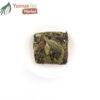
Name of the product: Highest Charcoal Roast Zhangping Shuixian
Year: 2025
Harvest: spring
Altitude: 400 meters above sea level
Tea Material: 35-year-old tea bushes
Roasting: med (charcoal roasted)
Area: Zhangping, Nan Yang
(Highest Charcoal Roast Zhangping Shuixian)
Tea origin
Zhangping Shuixian may not be as famous as other Wulong teas like Tie Guan Yin or Yancha. Still, the quality of good examples is worth trying.
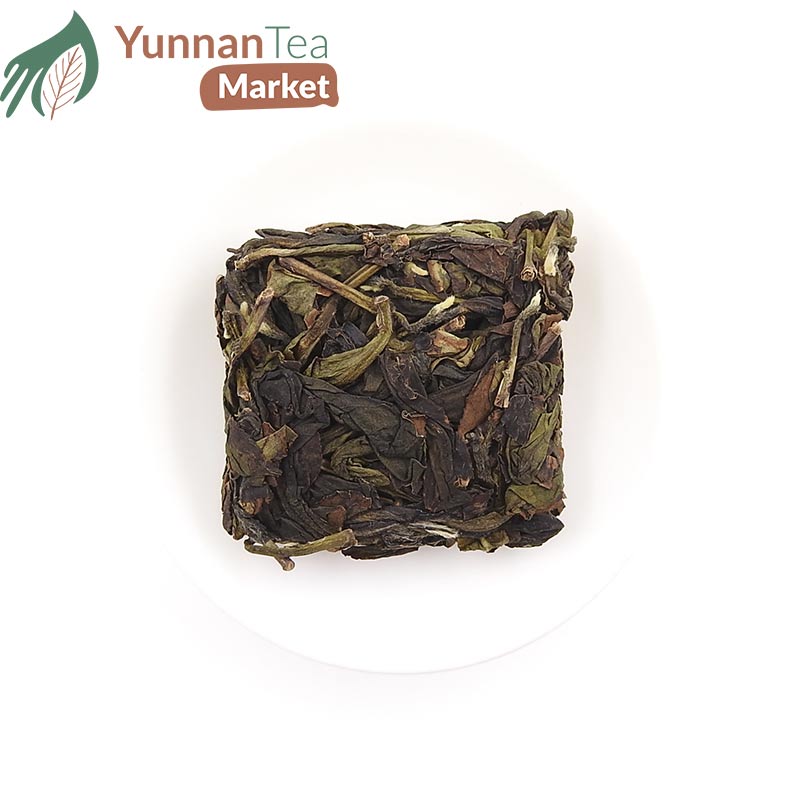
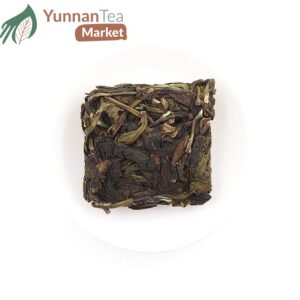
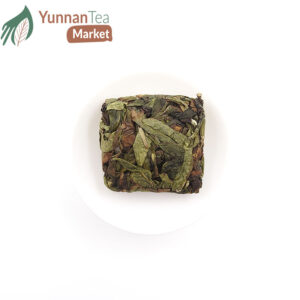
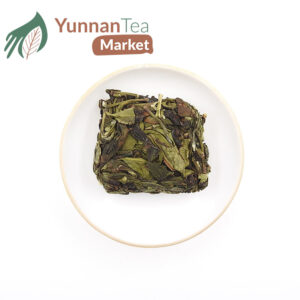
In China, it is well-known for its classic mini square tea cake or biscuit shape. Also, producers wrap the finished tea with white cotton paper. In addition, it is the only compressed oolong tea, apart from some Yancha and Dancong teas, which are occasionally pressed into cakes or bricks.
The tea originates from Longyan, Zhangping, Fujian Province.
Zhangping has been one of the major tea-producing areas in southern China since ancient times. According to historical records, it has a long history of tea, which began in the Yuan Dynasty, and there were also tea processing places in the Ming and Qing Dynasties.
The Zhangping Shuxian tea tree species is not native to the local area. During the Qing Dynasty, Liu Yongfa brought Shuixian tea seedlings from Shuiji in Jianyang, located in northern Fujian, to his hometown in southern Fujian for cultivation. This event marked the beginning of the production history of Zhangping Narcissus.
Liu Yongfa and Deng Guanjin are pioneers of the Zhangping Shuixian tea industry, with Liu Yongfa being the originator of it.
Originally, tea was available in loose leaves and tea balls. The loose leaves were large and long, making them difficult to transport and prone to moisture absorption and deterioration. However, Deng Guanjin, who studied under Liu Yongfa, addressed this significant issue.
In 1914, he developed a unique method of making Shuixian tea cakes (the biscuit shape known today) using a wooden mould to press tea leaves into square tea cakes.
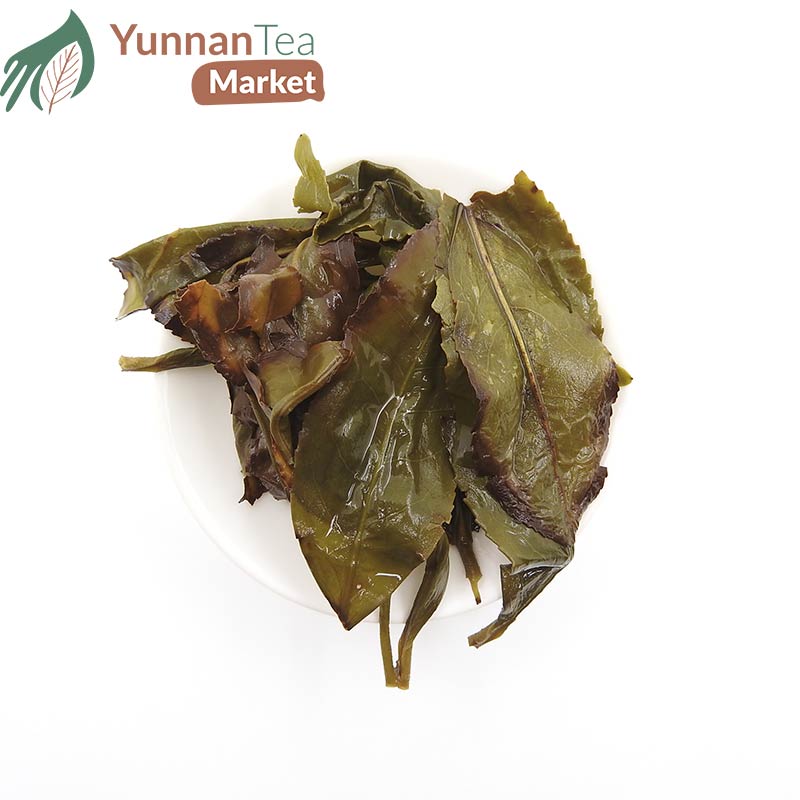
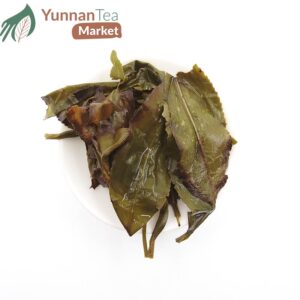
Some Wulong teas, such as Tie Guan Yin, with some exceptions, have adopted light shaking and heating at high temperatures to dry and remove the red edge on the tea leaves. Zhangping Shuixian is an unconventional tea that uniquely retains the traditional appearance of its leaves, which are green with red edges, indicating a degree of oxidation. Producers achieve this distinctive look during the zuo qing (bruising) step, which involves alternating withering and repeated shaking (yao qing) to create friction among the leaves and trigger oxidation on the tea leaves.
Tasting notes
-
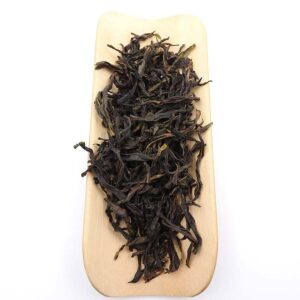
Dry leaves aroma: wood, roast, and orchid
-
Wet leaves aroma: roast, wood, fruity, and orchid
-
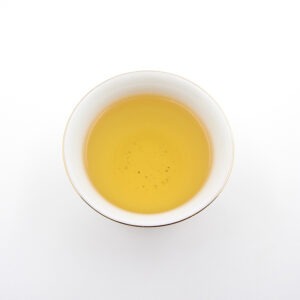
Taste: roast, tropical fruit, woody, and orchid
If you enjoy high-roast Wulong teas, consider this one, as it is our highest charcoal roasted Zhangping Shuixian from the spring harvest.
Our second darkest roast is the Charcoal-Roasted Laocong Zhangping Shuixian (Autumn), followed by the third, Charcoal-Roasted Laocong Zhangping Shuixian.
This tea producer is very experienced, and he skillfully roasted it at 65–70°C for 72 hours, a slow baking process that preserves the quality of the leaves without burning them. As a result, it offers a rich complexity in both taste and aroma.
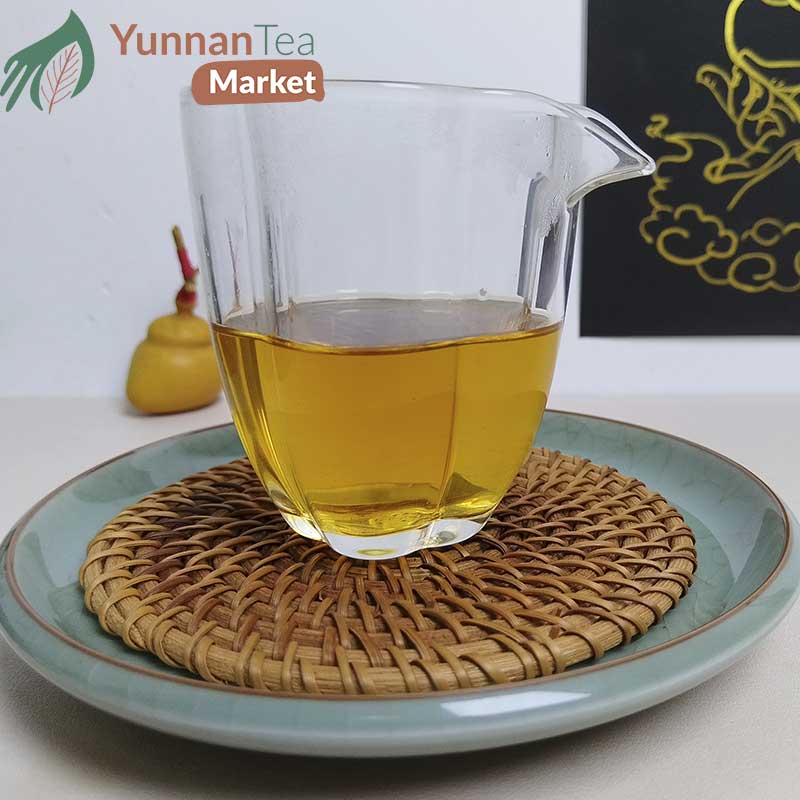
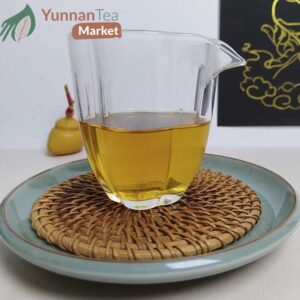
It features fruity and woody notes, with hints of roastiness and orchid. It also has a caramelised flavour. The huigan (returning sweetness) is pronounced, accompanied by a thick, full-bodied tea soup. A long-lasting aftertaste further enhances the experience.
Our Zhangping Shuixian teas are generally not very bitter nor astringent—unless you brew it very strongly. Also, bitterness may become more noticeable if you use the entire tea biscuit and don’t shorten the brewing time.
If you want to try a top-quality Zhang Ping Shuixian, you shouldn’t miss it. This kind of tea quality doesn’t reach West tea consumers.
Note: This tea can be aged in its original packaging. Within 5 to 10 years, it will begin to develop a sour plum profile.
About preparing the tea
Each tea biscuit weighs between 8 and 10 grams; since the leaves are not weighed before pressing, the weight of each piece may vary.
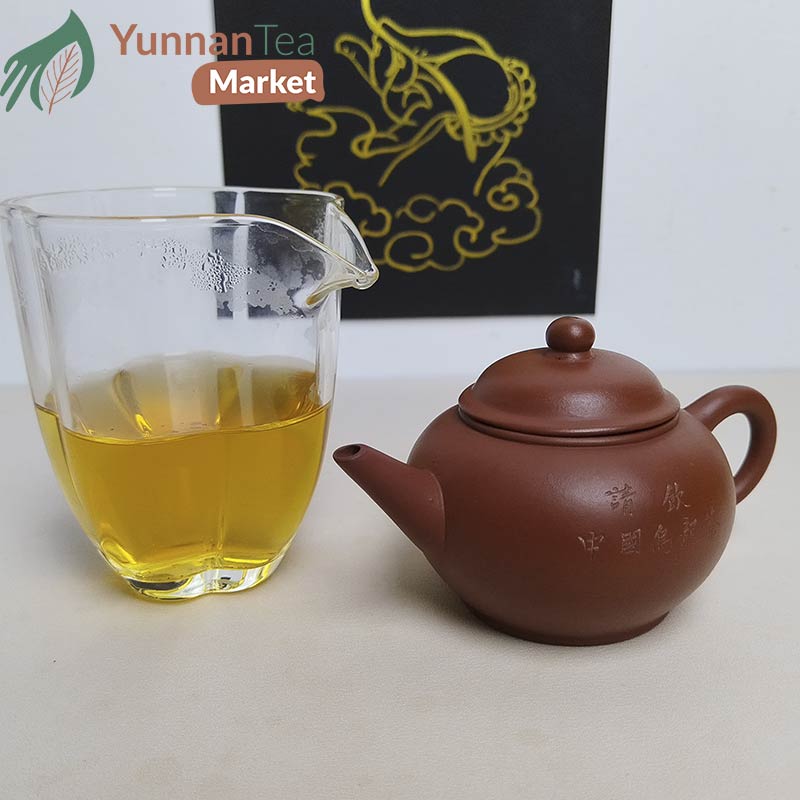
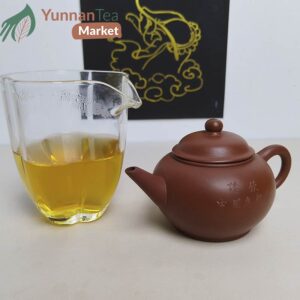
I prefer to divide one biscuit into two or three portions before brewing it. I don’t brew the whole biscuit. But that is up to your personal preference.
Additional information
| Weight | N/A |
|---|---|
| Weight | 18 grams (2 biscuits- 1 spring & 1 Autumn), 9 grams (1 biscuit), 45 grams (5 biscuits), 90 grams (10 biscuits) |
Reviews (0)
Only logged in customers who have purchased this product may leave a review.
Related products
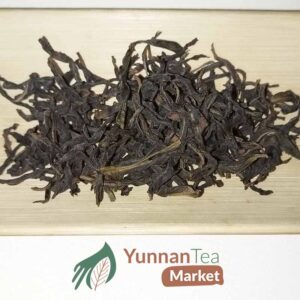
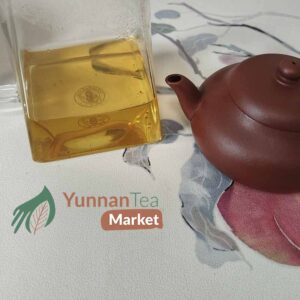
Feng Huang Dancong
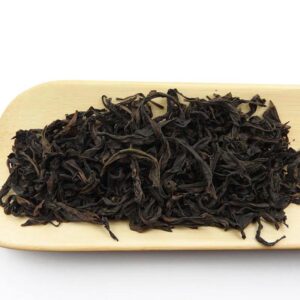
Oolong Tea
Wuyi Yancha
Oolong Tea

Feng Huang Dancong
Feng Huang Dancong
Oolong Tea
Reviews
There are no reviews yet.